

How Automation Improves Efficiency in Modern Industries
February 10, 2026
AI-Led Revenue Systems for 2026 | Apparatus Solutions Growth Framework
April 25, 2026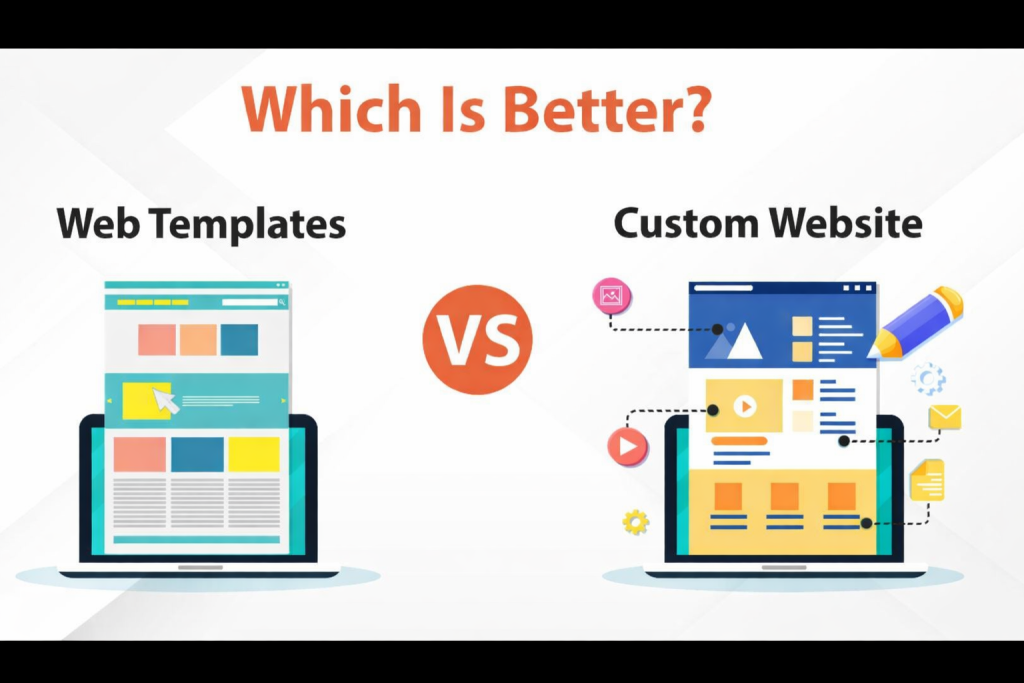
Choosing between a custom website and a template website is not just about budget. It is about growth.
If your website is meant to bring traffic, generate leads, and convert visitors, the structure behind it matters. So before you decide, understand what you are really paying for.
What Is a Custom Website?
A custom website is built specifically for your business. Developers design the layout, structure, and features based on your goals.
In other words, nothing is pre-made. Everything supports your brand and your users.
Why Businesses Choose Custom
-
Unique design that matches your brand
-
Better site speed
-
Flexible structure
-
Strong foundation for SEO
-
Room to grow as traffic increases
Because developers build it from scratch, you get full control. As a result, you can add new features without major limitations.
Yes, it costs more at the beginning. However, it often saves money long term since you avoid rebuilding later.
What Is a Template Website?
A template website uses a ready-made design. You replace the text and images, adjust colors, and launch.
It is simple and fast. That is why many startups choose this option.
When a Template Works
-
You need a quick launch
-
Your budget is limited
-
You are testing a business idea
-
You only need basic features
However, templates come with limits. You cannot always change the layout easily. In addition, some themes include extra code that slows down performance.
Over time, those limits can hold your growth back.
Custom Website vs Template Website for SEO
Search engines reward websites that load fast, work well on mobile, and have a clean structure.
A custom website gives you full control over these factors. Because of this, it usually performs better in competitive markets.
On the other hand, template websites depend on theme quality. Some perform well, but many include unnecessary features that affect speed.
If organic traffic is part of your strategy, structure matters.
Cost vs Long Term Value
At first, templates look cheaper. They require less time and lower investment.
However, many businesses rebuild their site after one or two years. As a result, they spend more than they planned.
Custom websites require a larger upfront investment. Yet they support growth, branding, and performance from the start.
Think long term, not just launch day.
Conclusion
If you only need an online presence, a template website is enough.
However, if your website plays a key role in revenue and growth, invest in a custom website.
Short term savings often lead to long term rebuilding.
Smart investment creates long-term results.
Choose based on where you want your business to be in three years, not three weeks.